Tuesday 14 April 2026 at 6:30pm
at the Indonesian Embassy, 30 Great Peter Street, London SW1P 2BU and by Zoom
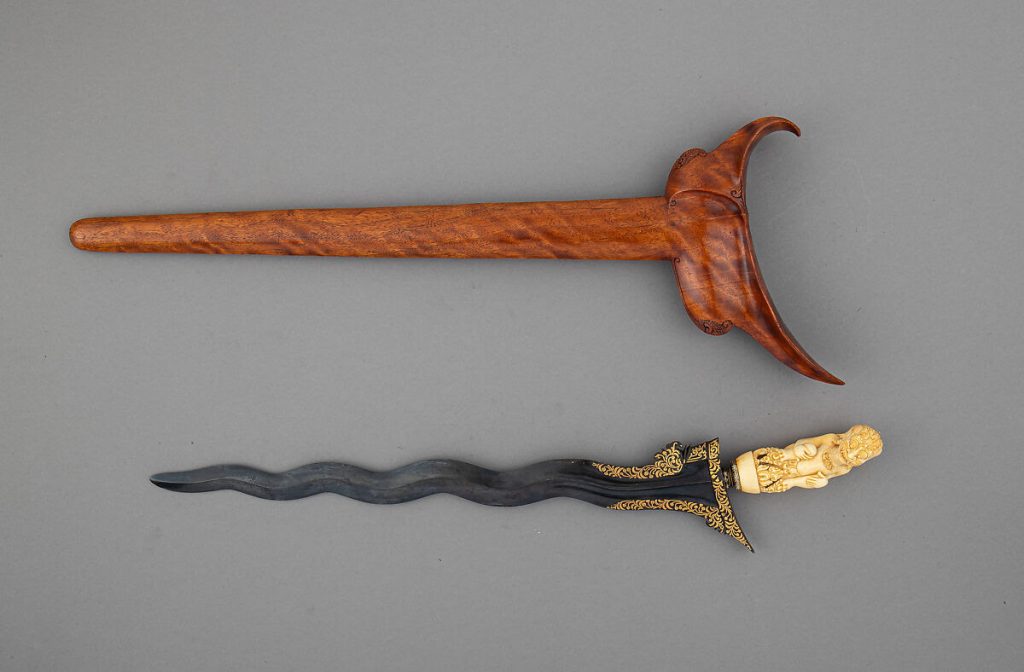
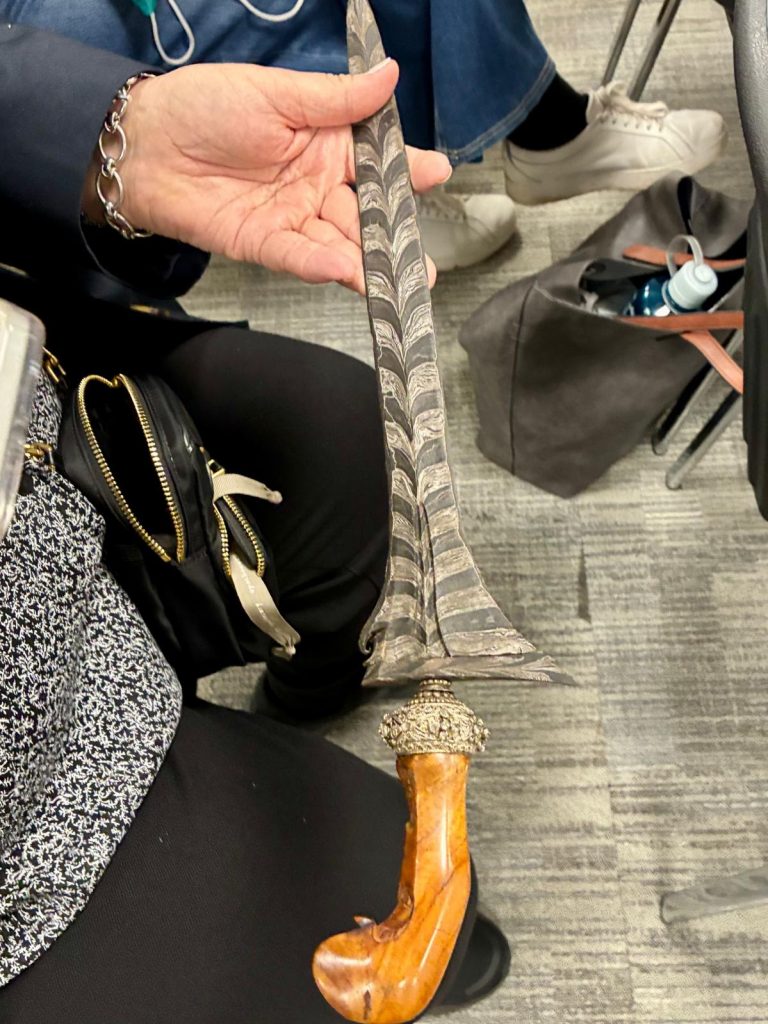
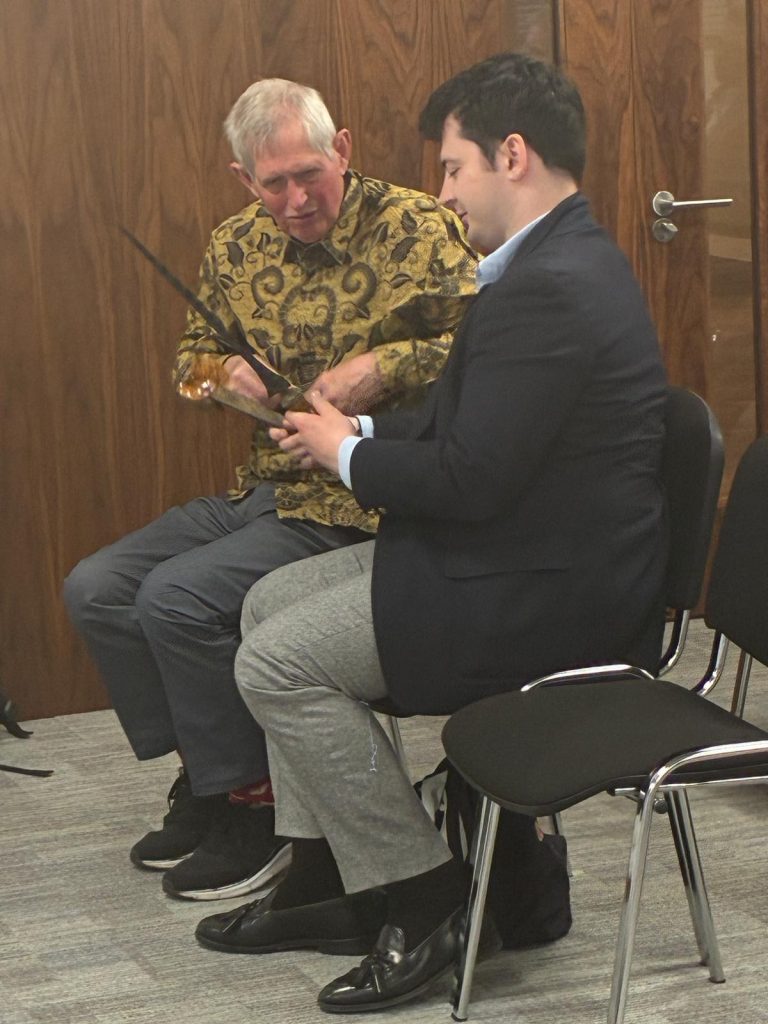
The keris has been a ubiquitous part of Indonesian culture for over six centuries. It is renowned for its pamor – the unique water-like patterning on its blade – and for the distinct variations found in many regions across the archipelago and Southeast Asia. The keris is not just a weapon, but also a spiritually potent object, an expression of artistry, and patrimony. Countless foreigners have collected them over the centuries, including the British since at least the 17th century. This talk will explore some of the collections of Indonesian kerises in UK museums today, from the Ashmolean Museum in Oxford to Windsor Castle. It will reflect on what these collections meant in the context of their acquisition, and what we can learn from them today.
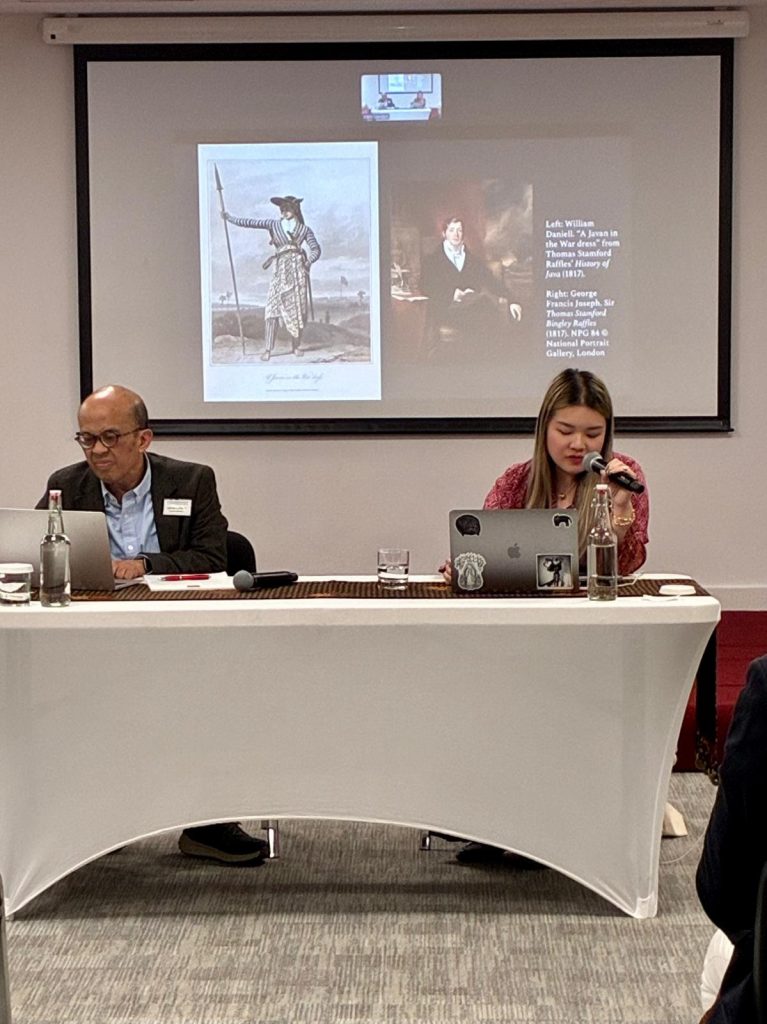
Originally from Jakarta, Fiona Asokacitta is pursuing a PhD at the University of Oxford studying Indonesian keris collections in five UK museums. Her research explores how these collections reflect over four centuries of Anglo-Indonesian relations and cross-cultural engagement. Prior to her PhD, she completed an MSc in Visual, Material and Museum Anthropology at the University of Oxford and a BA (hons) in Asian History and Art History at Northwestern University.
She has a sustained research interest in contentious Indonesian museum displays. Aside from her PhD, she is also a volunteer in the British Museum’s Asia Department, working on the Indonesian Raffles collections, and she serves as Editorial Assistant for the Journal of the Royal Anthropological Institute.