Annual General Meeting
Tuesday 10 November 2026 at 6:30pm at the Indonesian Embassy,
30 Great Peter Street, London SW1P 2BU, and by Zoom
To hear the Council’s reports on the year’s activities and to elect the Council for the next 12 months.
And a panel discussion on
How to make Indonesian cuisine more popular in the UK
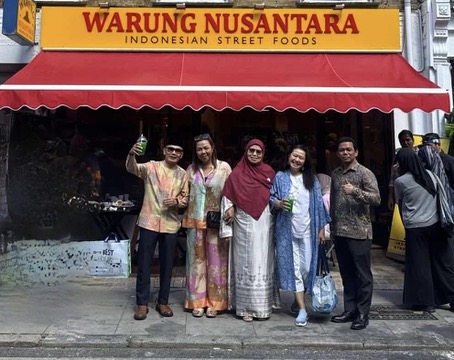
with three Indonesian/Pan-Asian restaurant owners/managers in London: Zulfan Ibrahim of Bali Bali, Teja Sukmana of Moonlight, and Umi Afrah Fadilah of Warung Nusantara.
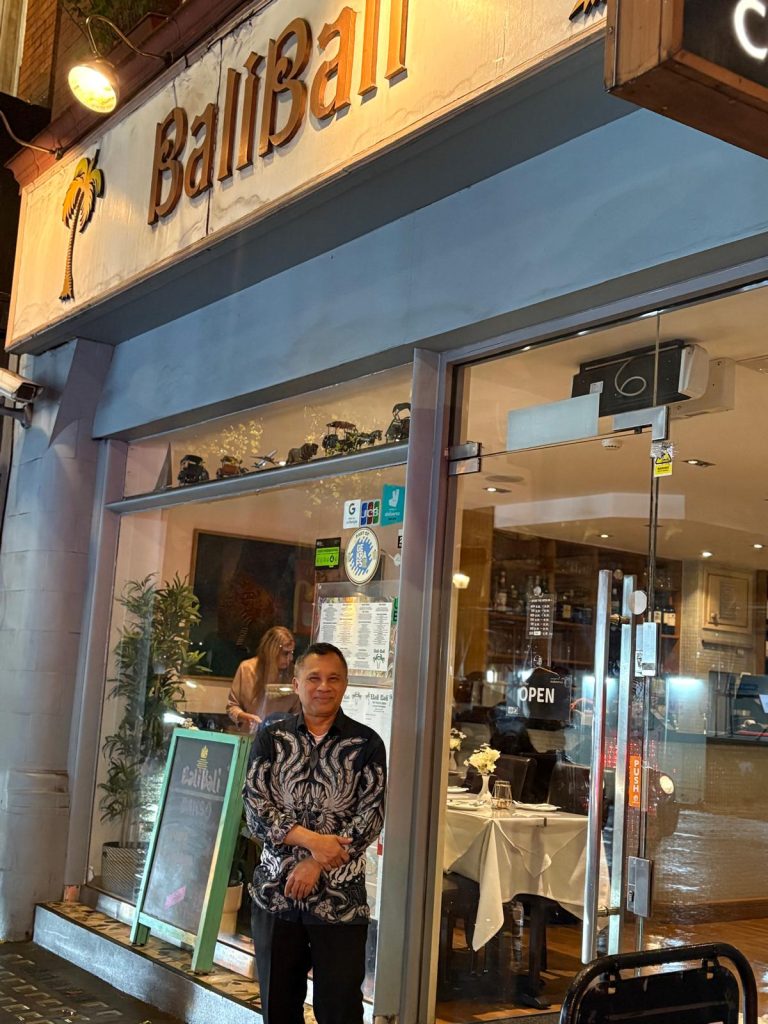
Bali Bali is celebrating its 40th anniversary this year, making it probably the oldest Indonesian restaurant in the UK. We will be discussing Bali Bali’s recipe for longevity, and how all three restaurants cater to a diverse clientele in a global city, the current business environment for restaurants, and how they plan to survive and thrive in the future.
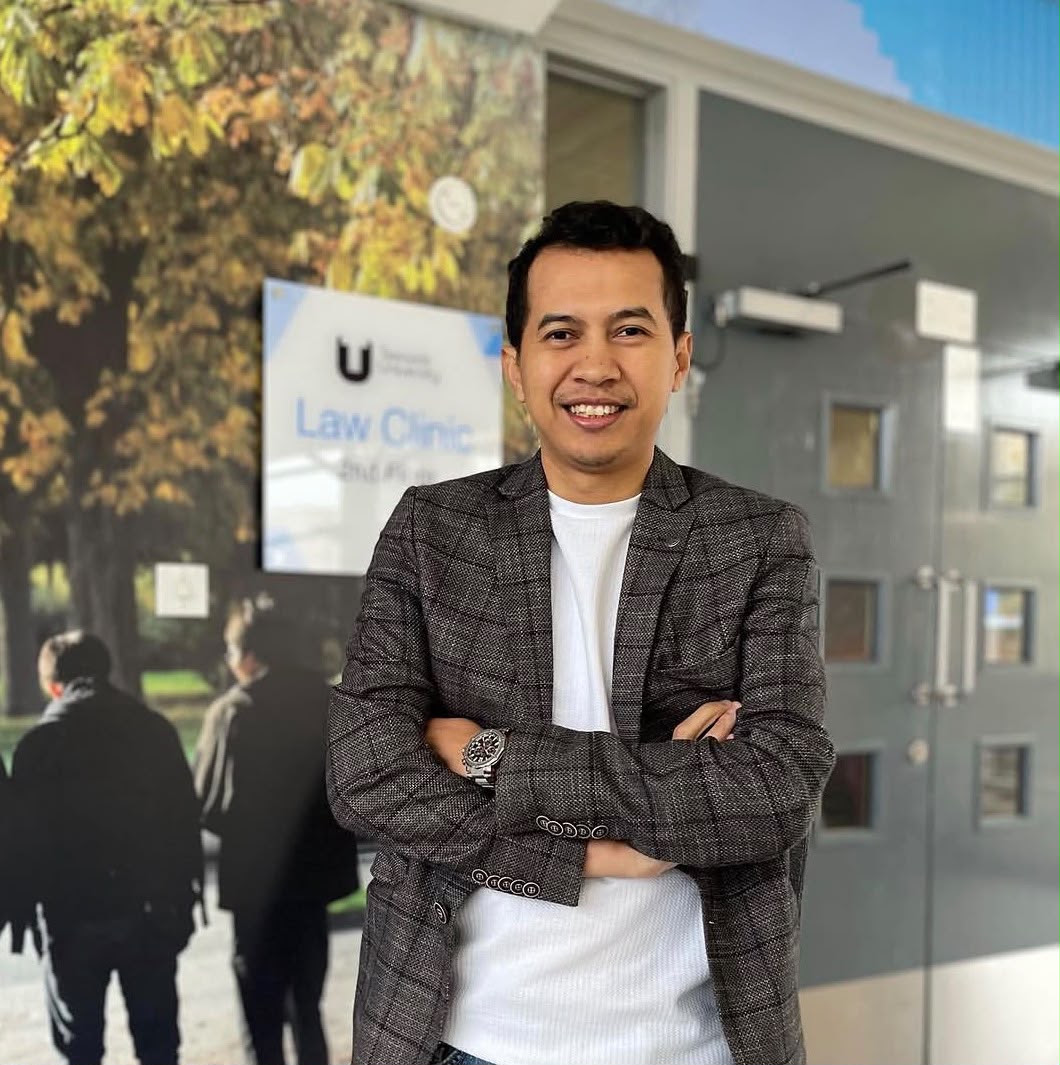
Teja Sukmana
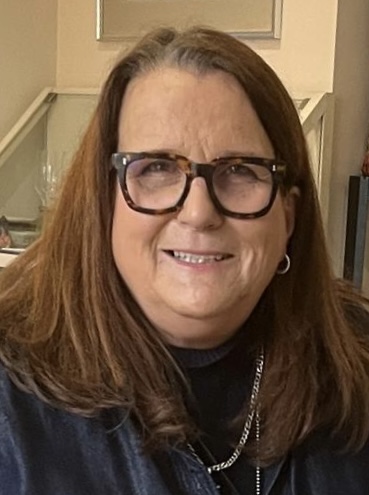
The discussion will be moderated by Janice Gabriel, a TV director/producer who specialises in cookery and food programmes. Janice has lived in Indonesia and is an AIS member.