Tuesday 13 October 2026 at 6:30pm at the Indonesian Embassy,
30 Great Peter Street, London SW1P 2BU, and by Zoom
Sumatra was the earliest point of contact between South East Asia and the Islamic world to the west. Its orientation towards the sea facilitated the movement of people, goods and ideas, making it essential for understanding ‘oceanic’ Islam, profoundly different from the land-based polities of the Islamic empires of the Indian subcontinent and western Asia.
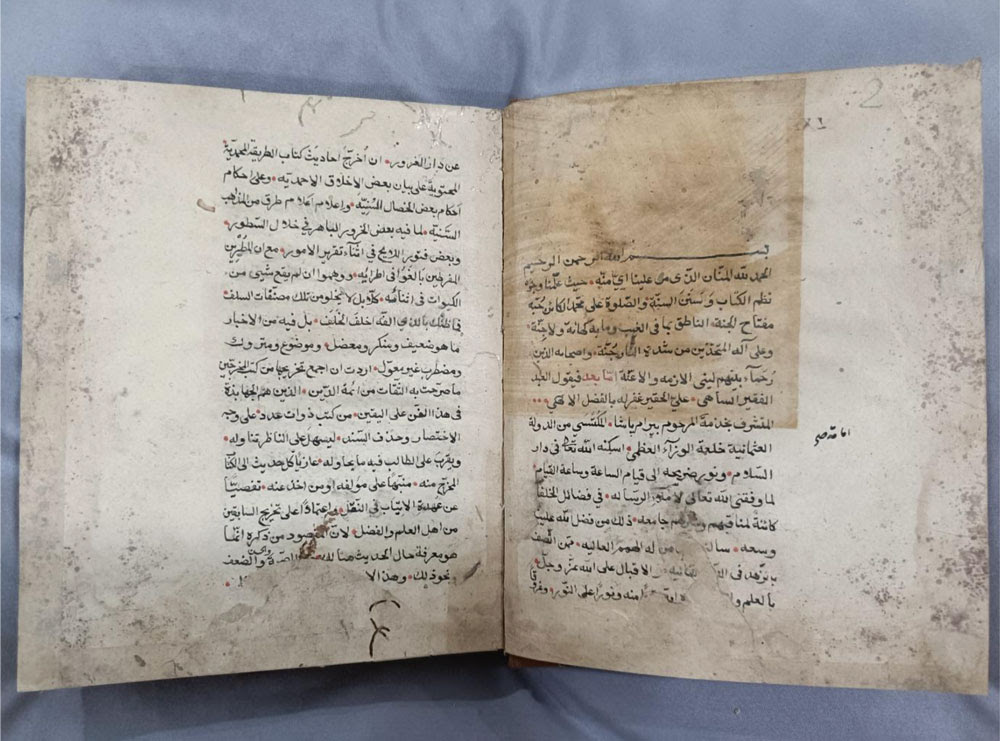
The project aims to digitally reunite the surviving manuscripts from the Palembang royal library, one of the richest in the region until it was looted by the British in 1812 and again by the Dutch in 1821. It will compare this collection with two other case studies that remain in Sumatra and have recently been digitised by the Endangered Archives Programme: mosque libraries in the Minangkabau highlands and personal libraries in Aceh.
By studying these different kinds of gatherings of texts and readers, the project seeks to broaden and deepen understanding of textual and intellectual developments in 18th- and 19th-century Sumatra, address the legacy of colonial intervention on South East Asian writing traditions, and contribute to a paradigm shift in the study of Islam in the region and beyond.
The project’s website (where the above photo comes from) will provide access to and insight into these manuscript libraries and their worlds.
The project is funded by a Research Leadership Award from the Leverhulme Trust, and is hosted by SOAS University of London.
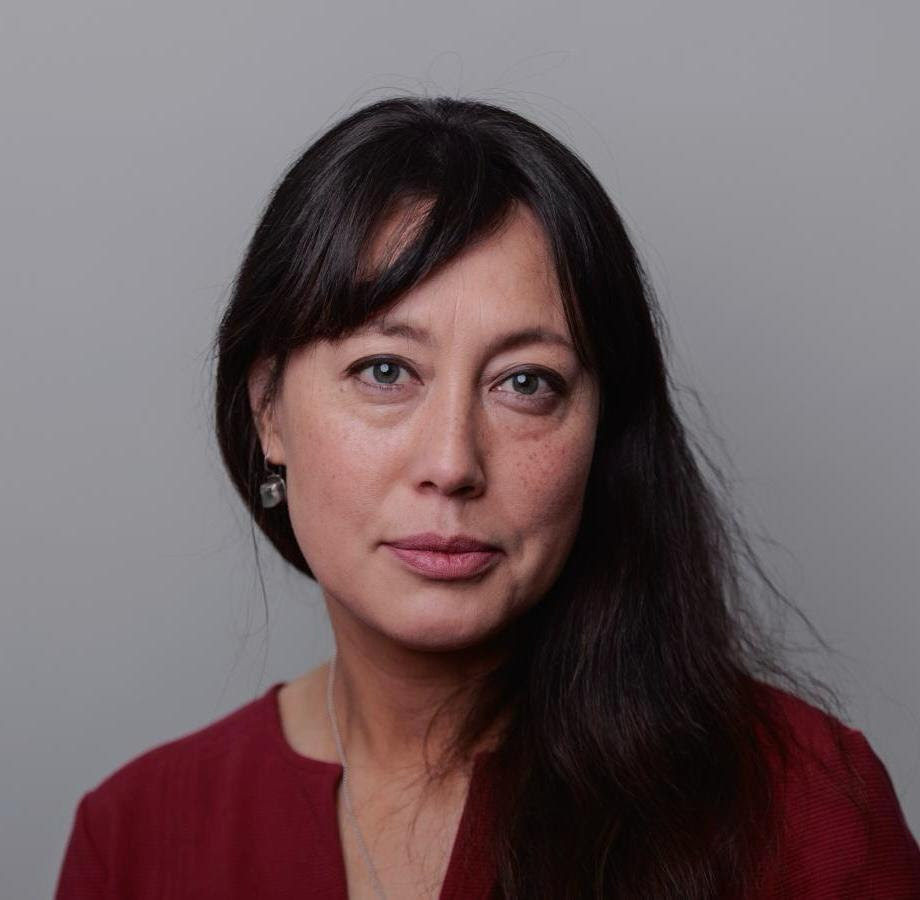
Dr Mulaika Hijjas is a reader in South East Asian Studies at the School of Languages, Cultures and Linguistics at SOAS University of London. Her research interests include the Malay manuscript tradition; Islam in South East Asia; gender in the Malay world; modern literatures of Indonesia, Malaysia and Singapore